


 English
 Español
 Deutsch
 عربى
عربى
Home / News / Industry News / Self-Tapping vs Self-Drilling Screws: Which One Saves More Labor Cost?
Industry News
Content
On an 18,000-square-foot metal roofing job, five installers had to fix 5,200 screws through 26-gauge steel panels into 16-gauge purlins. The estimator measured 15 seconds per fastening, covering pre-drilling, driving, and inspection. That single line item reached 21.6 crew-hours before a single panel was seated. Choosing between self-tapping vs self-drilling screws is not a minor fastener detail; it is a labor-cost decision that lands directly on the bid.
The practical rule is simple: self-drilling screws remove the pre-drilling step, and pre-drilling is the most expensive hidden step in mechanical fastening. This article compares both fastener types using installation time, labor rates, and field conditions, so you can choose based on cost per installed fastener rather than habit or sticker price.
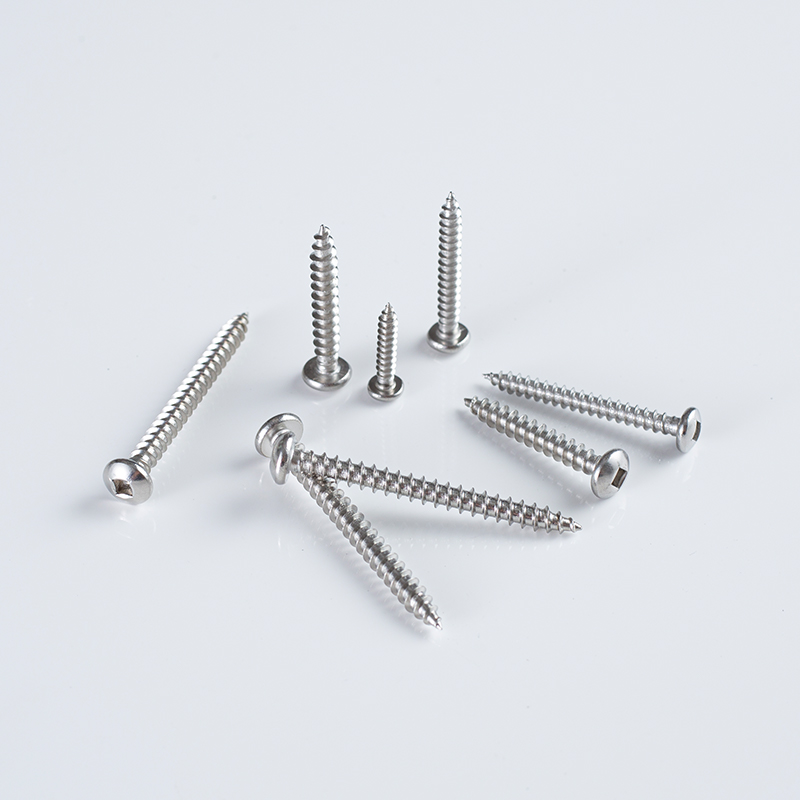
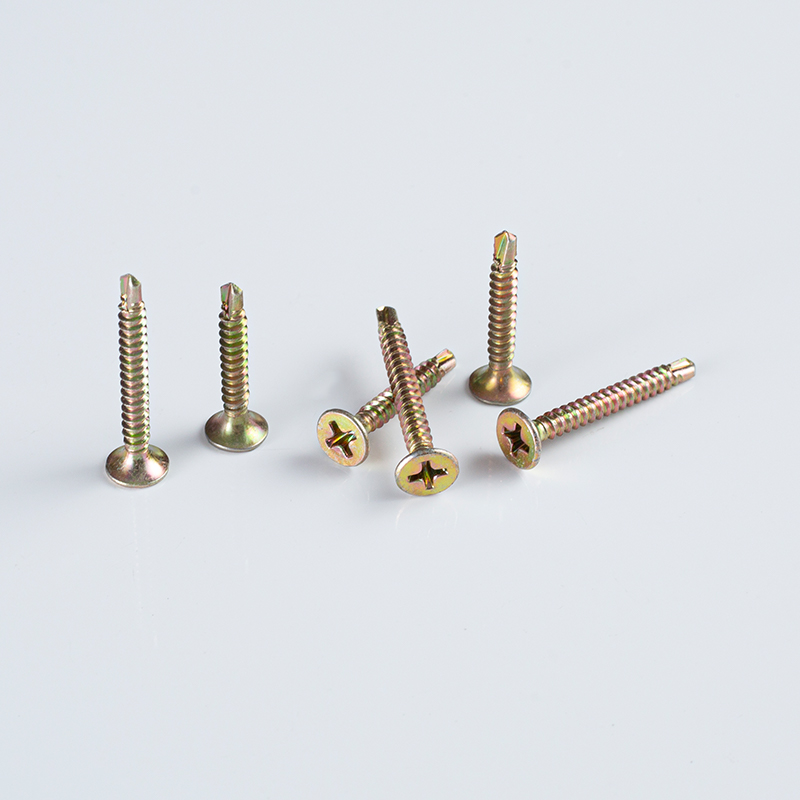
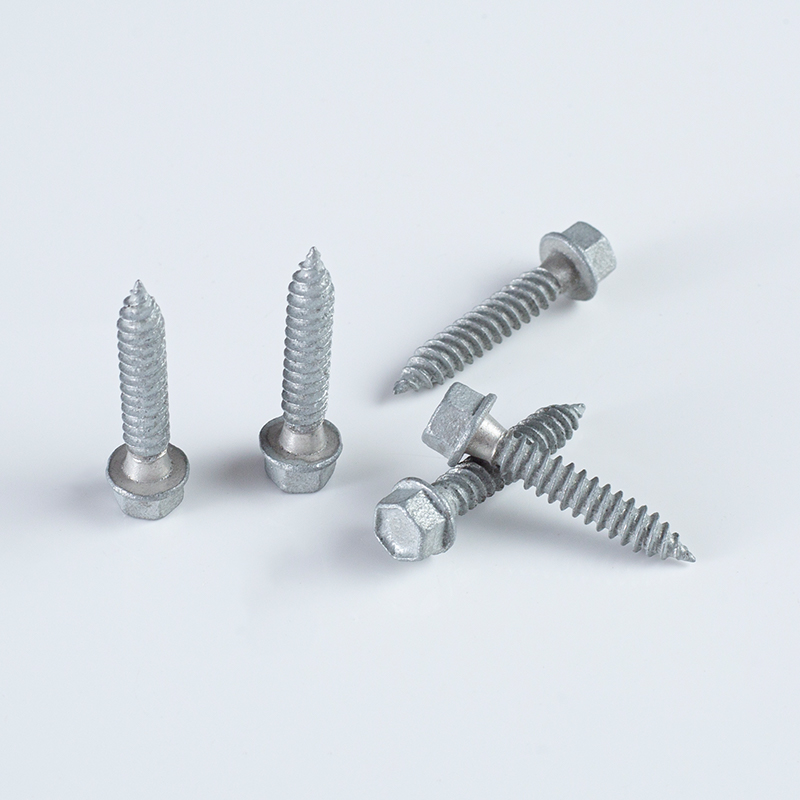
A self-tapping screw forms its own mating threads but normally requires a pre-drilled pilot hole when the steel thickness passes about 0.050 inches. A self-drilling screw carries an integrated drill point at its tip that cuts the pilot hole and taps the threads in one continuous pass, with one tool in one hand.
A self-tapping screw can tap, meaning it cuts internal threads, but it cannot drill. A self-drilling screw can drill and tap, because its point has real cutting flutes and hardened edges that remove material like a twist drill.
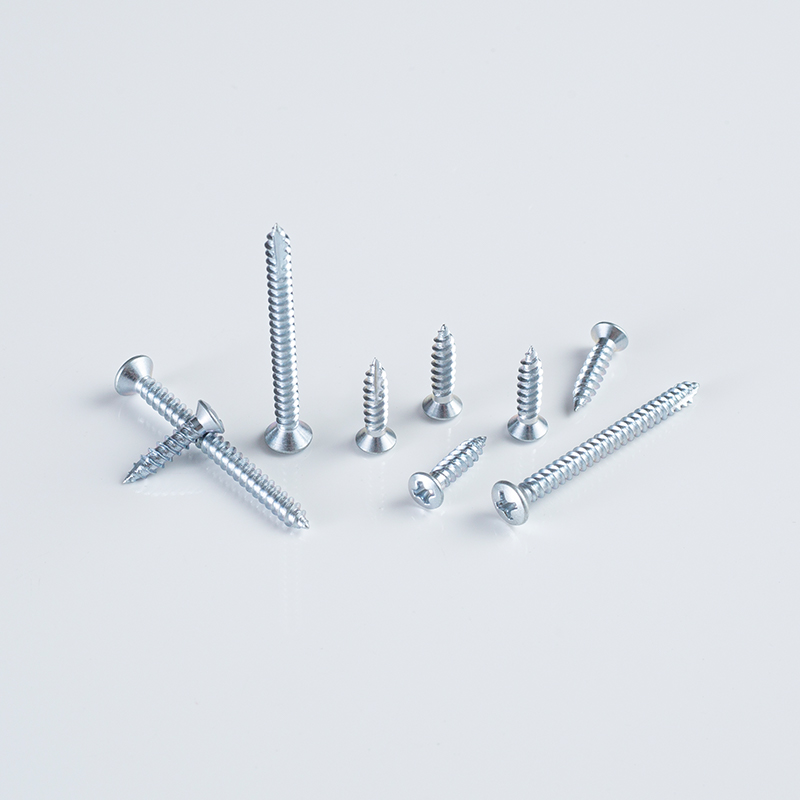
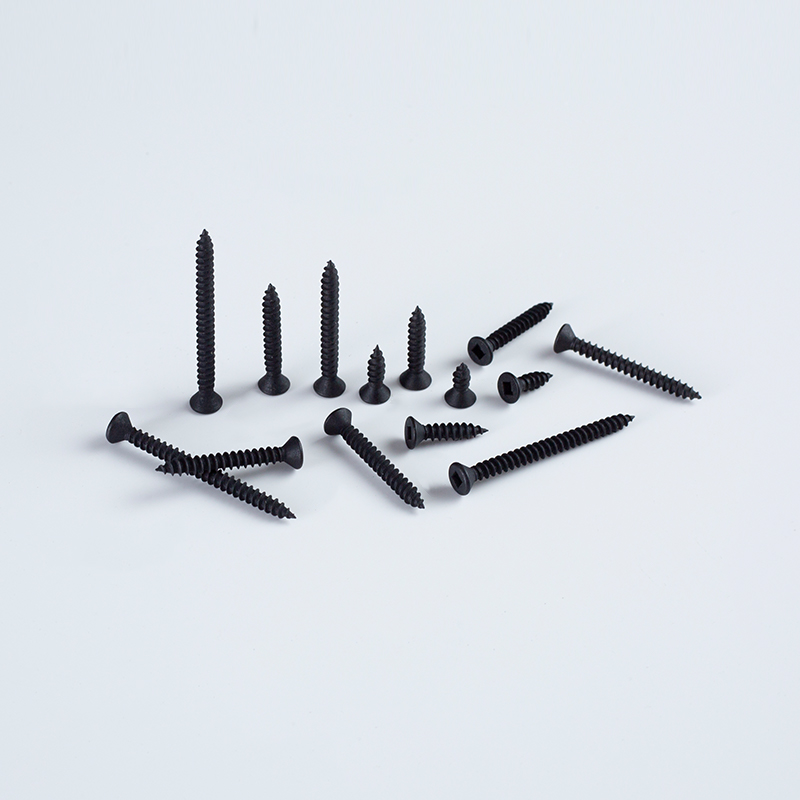
Self-tapping point styles such as Type A, Type AB, and Type B work by driving into thin material and displacing metal to form threads. In 24 to 26 gauge sheet, this takes under two seconds and needs no pilot hole. Once the material gets thicker, the point cannot clear chips, the screw stalls, and the risk of driver cam-out climbs. That is the moment when pre-drilling enters the process, and pre-drilling is where the labor cost grows.
Self-drilling screws avoid that stall by using numbered points, most commonly #2, #3, and #5, matched to the total thickness of the material stack. An undersized point stalls in thick steel; an oversized point drills a hole too large for the threads to grip.
| Drill point | Steel drilling capacity | Typical material stack |
| #2 | Up to 0.060 in | 20 to 16 gauge |
| #3 | Up to 0.120 in | 16 to 10 gauge |
| #5 | Up to 0.250 in | 10 gauge to 1/4 in |
Pre-drilling takes 3 to 6 seconds per hole in steel. On a 1,000-fastener batch, that adds 50 to 100 minutes of direct labor, before counting tool changes, misalignment, and rework.
A crew working with self-tapping screws in thick steel carries a drill for pilot holes and a driver for the screws. Every transition from drill to driver costs 15 to 30 seconds of handling. Across 1,000 fasteners, crews lose another 25 to 50 minutes to tool switching and position resets.
The hidden costs stack up quickly:
Self-drilling screws lower total installed cost whenever the fastening point combines more than 0.050 inches of steel and more than 200 fasteners.
In commercial metal framing, a standard connection is a cold-formed steel stud and track, two stacked layers of 16 to 20 gauge material. A self-drilling screw with a #3 point drives through both layers in one pass. The same connection with a self-tapping screw requires two tools, a pilot hole, and roughly double the cycle time per connection.
At a $60 per hour crew rate, every 10 minutes saved per 1,000 fasteners equals $10 of labor. A self-drilling screw that removes 50 minutes of pre-drilling saves $50 of labor per 1,000 pieces. With a typical premium of $15 to $25 per 1,000 screws, the payback lands around fastener number 300.
Production environments amplify the effect. On a line assembling 500 steel components per shift, removing the pre-drill step saves about 40 minutes of direct labor per shift. Over 22 working days, that approaches 15 hours of labor, enough to justify a change even in the middle of a contract.
In thin sheet metal, aluminum, and low-quantity jobs, self-tapping screws match or beat self-drilling screws on labor and win clearly on piece price.
HVAC ductwork, gutters, copings, and metal siding are usually 24 to 26 gauge steel. In that thickness, a self-tapping Type AB screw pierces and taps without pre-drilling. A self-drilling point is unnecessarily aggressive in these thin panels; it can over-rotate, wallow out the hole, and reduce pull-out strength below what the joint requires.
Aluminum behaves differently from steel. The hardened drill point of a self-drilling screw can chatter against an aluminum surface, leaving an elliptical hole and stripped threads. The cutting action of a self-tapping point produces more consistent thread engagement in soft alloys.
Self-tapping wins: no pre-drill needed, lower piece price, clean thread formation.
Self-drilling wins: one tool, one pass, no pilot holes, faster cycle time.
Self-tapping wins: less chatter, fewer torn holes, more consistent pull-out values.
Self-drilling wins: consistent cycle time and reduced operator fatigue over a shift.
Small batches and retrofit work also favor self-tapping. If the task involves 50 to 150 fasteners, the time spent loading a new screw type, adjusting the driver, and testing the first few pieces outweighs the per-fastener savings of a drill point.
In steel-to-steel applications with 1,000 fasteners, switching from self-tapping with pre-drilling to self-drilling saves 50 to 95 minutes of crew time and $50 to $95 in direct labor.
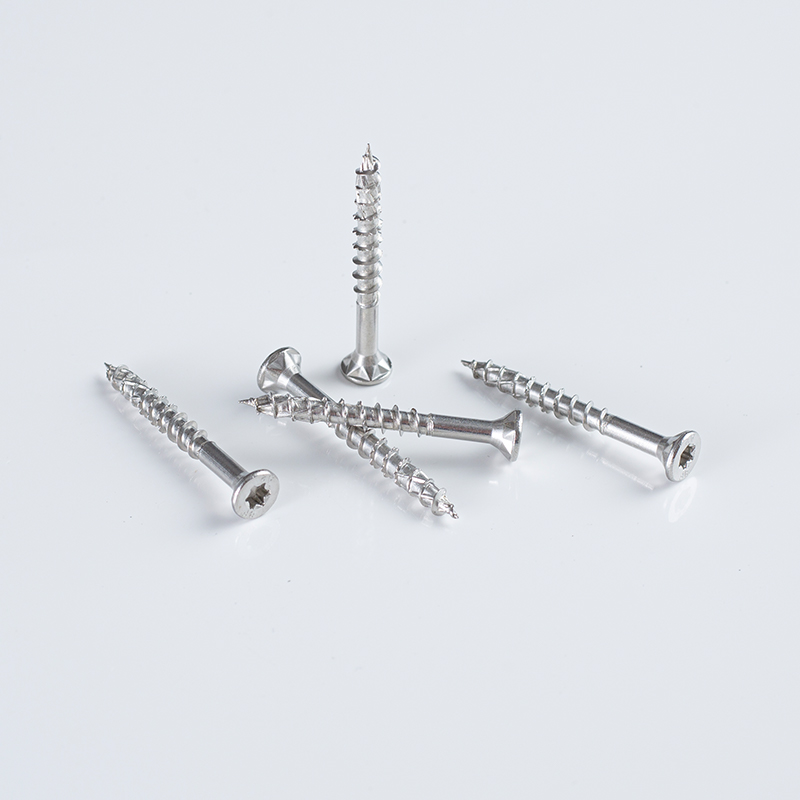
Fastener suppliers such as Anhui Linghong Hardware Technology Co., Ltd. classify self-tapping and self-drilling screws as separate product families, each with carbon steel and stainless steel options, because the two types change the installed cost of every joint.
| Cost factor per 1,000 | Self-tapping with pre-drilling | Self-drilling |
| Pre-drilling time | 50-100 min | None |
| Driving time | 35-45 min | 35-50 min |
| Tool and bit changes | 8-12 | 3-5 |
| Rework rate | 3-6 percent | 1-3 percent |
| Total crew time | 85-145 min | 35-50 min |
| Labor at $60 per hour | $85-$145 | $35-$50 |
| Screw material cost | $35-$55 | $45-$70 |
| Combined per 1,000 | $120-$200 | $80-$120 |
Installation time per 1,000 fasteners
Ask three questions about thickness, quantity, and working position, and the right fastener type becomes clear without guesswork.
The short decision: thick steel plus repetition favors self-drilling; thin sheet, aluminum, and small batches favor self-tapping.
These answers reflect common field experience with cold-formed steel, aluminum, and wood-to-metal connections.
Yes, a self-drilling screw will drill through wood and tap threads in one pass. However, standard self-tapping wood screws with a sharp gimlet point start faster, pull tighter, and split thin boards less often. Reserve self-drilling screws for connections that also include a layer of steel.
A Type AB point is a sharp, tapered thread-cutting point for thin sheet metal. It displaces material to form threads but cannot drill through thick steel. A self-drilling point has actual flutes that remove material like a drill bit, which is why it can create its own hole in structural steel.
In thin steel, thread engagement depth is measured in thousandths of an inch. Slight over-torque, a worn driver bit, or an oversized pilot hole can round the threads so the screw spins without gripping. The fix is lower rpm, higher downforce, and a correct drill bit diameter for the screw size.
Self-drilling screws cost roughly 15 to 30 percent more per thousand because of the heat-treated drill point and an extra manufacturing step. In steel work, that premium is normally recovered by labor savings within the first few hundred fasteners.

+86 15856352820

malingfei@linghongscrew.com

No. 56, Baishizhan Road, Economic Development Zone, Langxi County, Xuancheng City, Anhui Province, China

