


 English
 Español
 Deutsch
 عربى

Home / News / Industry News / Bugle Head vs Countersunk Wood Screws: Key Differences & Selection Guide
Industry News
Content
A production manager once asked us to replace a bugle-head wood screw with a countersunk screw because the drawing said "flat head." The first trial run failed: the flat-head screws sat proud, split several panels, and slowed the line until the pilot hole was changed. That one hour cost more than the fasteners themselves. This is why the difference between bugle head and countersunk wood screws matters long before the order is placed.
The short answer: a bugle-head screw has a curved, smooth underside that self-countersinks into wood and drywall, while a countersunk screw has a straight 90-degree or 82-degree taper that must be guided into a pre-drilled countersink to sit flush. Use bugle head for speed, use countersunk for precision.
Bugle Head and Countersunk Head belong to the same "flat seating" family, but the underhead curve is the dividing line. A bugle head has a concave taper that forms a smooth transition from the shank to the head. When the screw is driven, the outer edge of the head flares the wood fibers out of the way, allowing the head to sink below or flush with the surface without a separate countersink operation. That is why drywall screws with bugle heads are standard for metal-to-wood and wood-to-wood framing.
A countersunk wood screw has a flat, straight taper, usually at an 82-degree or 90-degree cone angle. It requires a pilot hole and either a countersink bit or a screw design with a full taper. When properly seated, the underside of the head makes full contact with the tapered seat in the material. That gives excellent clamping force and a very clean, flush surface, but it offers less forgiveness if the hole is too small, too large, or out of alignment.
| Feature | Bugle Head | Countersunk Head |
|---|---|---|
| Underhead profile | Curved, self-countersinking | Straight flat taper |
| Typical pre-drilling | Usually optional in softwood | Recommended pilot plus countersink |
| Flush seating | Fast, works in thin material | Precise, needs correct seat |
| Pull-through resistance | Good for panel products | Strong with full taper contact |
| Common uses | Drywall, decking, general joinery | Cabinets, furniture, trim, hinges |
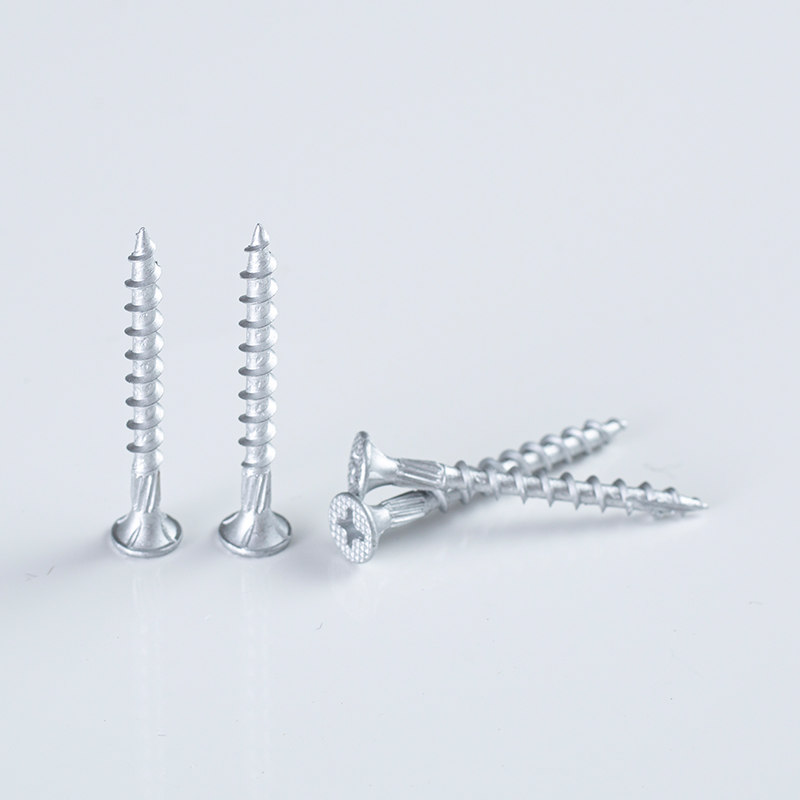
For a production bugle-head wood screw with a three-stage thread and a blue-white finish, you can check a typical T17 universal screw specification. It is designed to cut through wood strands quickly and seat without splitting. We make this style in a range of lengths for batch orders.
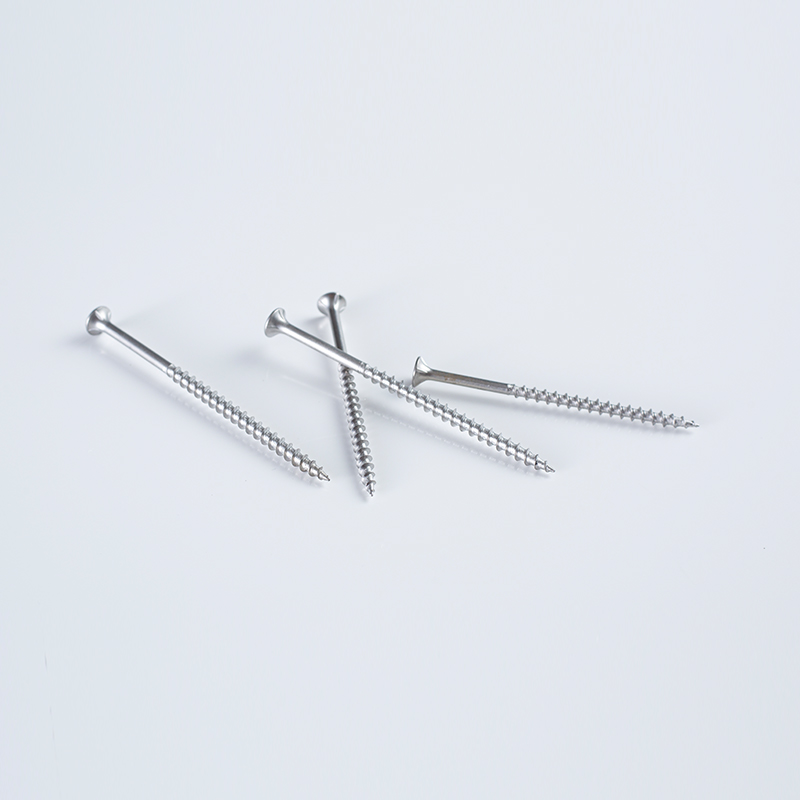
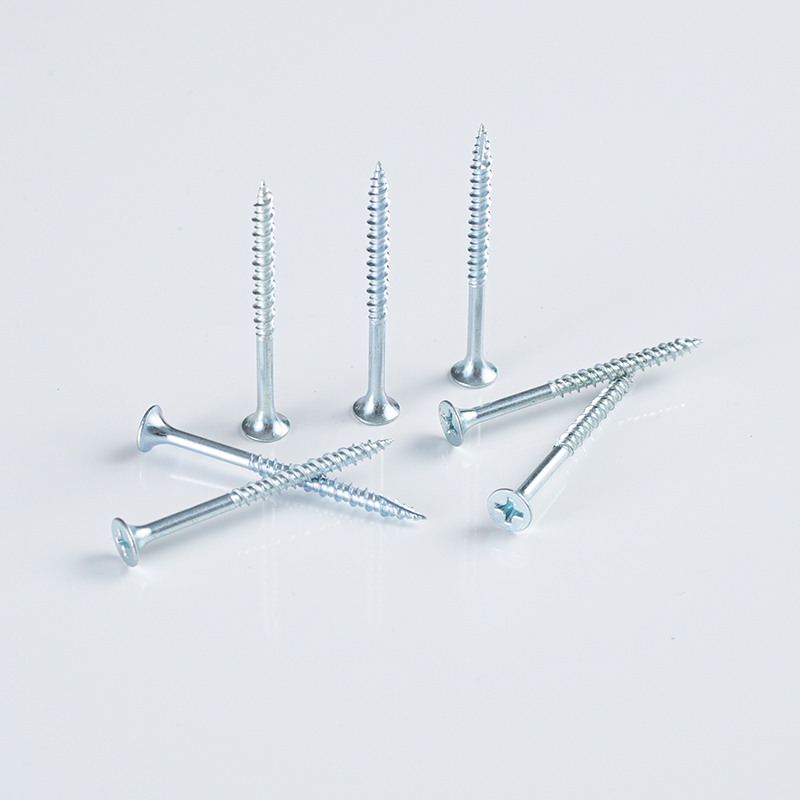 T17 Universal Countersunk Wood Screw 3.8×50 Blue White Zinc PlatedThis versatile wood screw features a sharp T17 tip for direct driving without pre-drilling, and its countersunk head sits flush. It suits panel and joist fixing in furniture and renovation, with blue-white zinc coating for indoor and mildly humid use.View Product →
If your drawing has a tight tolerance, a soft material, or a visible surface that must look perfectly flat, the countersunk screw is usually the right call. Furniture production, cabinet assembly, hinge installation, and decorative trim all benefit from the clean, engineered seat that a straight-taper head gives. A bugle head can still seat flush, but its curved underside may not match a machined countersink exactly, so on a polished surface you can see an uneven ring or a proud edge.
Countersunk screws also behave more predictably in hardwood. Because they are designed for a pilot hole, you can control the depth of the seat and avoid the crack from the wedging force of a bugle head. For furniture production, a double-countersunk Torx wood screw with a fast thread reduces cam-out and strips much less often than a Phillips drive.
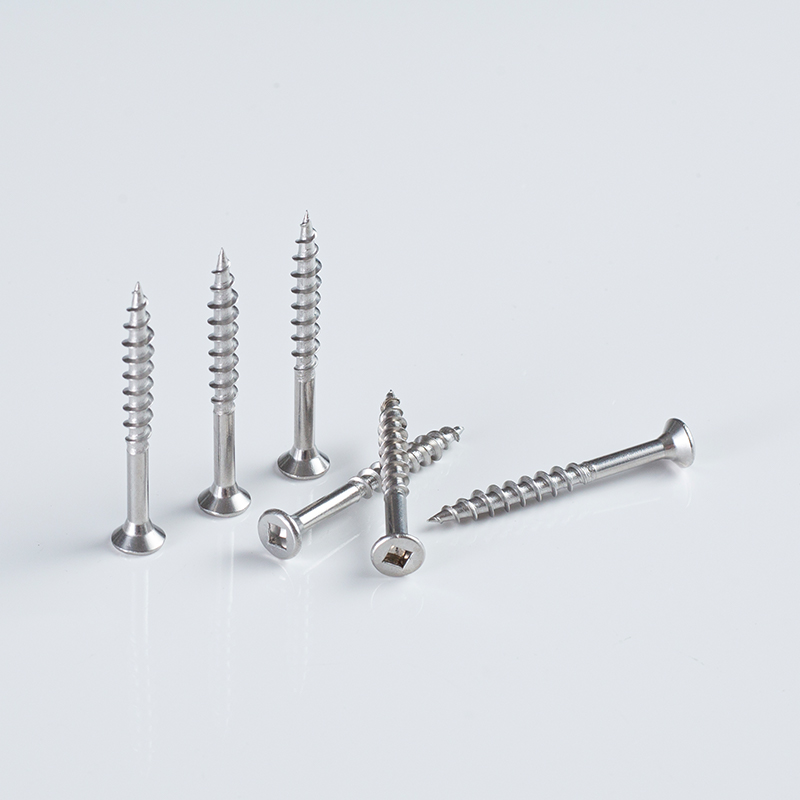
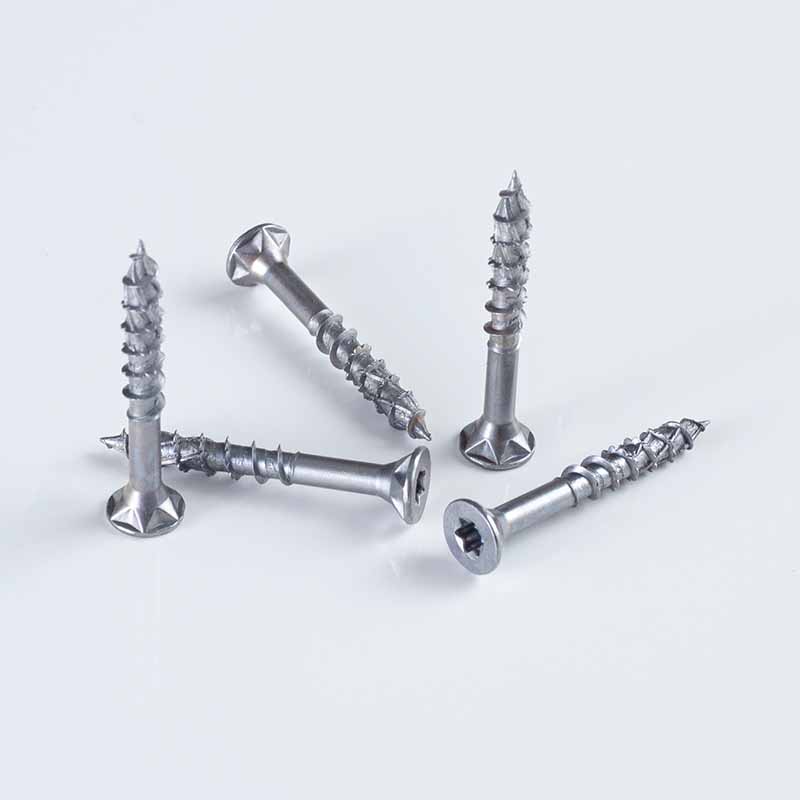 Double Countersunk Torx Quick-Thread Wood Screw Zinc-Nickel AlloyWith a double countersunk head and Torx drive, this quick-thread screw installs efficiently while reducing cam-out. The zinc-nickel alloy finish offers superior corrosion resistance, making it a dependable choice for humid or coastal timber applications covered in this section.View Product →
Head shape alone does not decide reliability. A bugle-head screw in zinc-plated carbon steel is fine for indoor drywall, but the same head in 410 stainless steel will handle humid coastal conditions much better. Countersunk screws are available in similar finishes, and the coating still matters because the head seat is a common place for moisture to collect. If the coating fails at the underhead, rust streaks run down the wood surface.
For outdoor decking, marine fixtures, or high-humidity facilities, choose a stainless steel grade such as A2 (304) or A4 (316), or a carbon steel with a zinc-nickel or Ruspert-type coating that resists salt spray for 500 hours or more. These options are not just for marine and outdoor projects; they also protect furniture shipped through the supply chain before it reaches the end user.
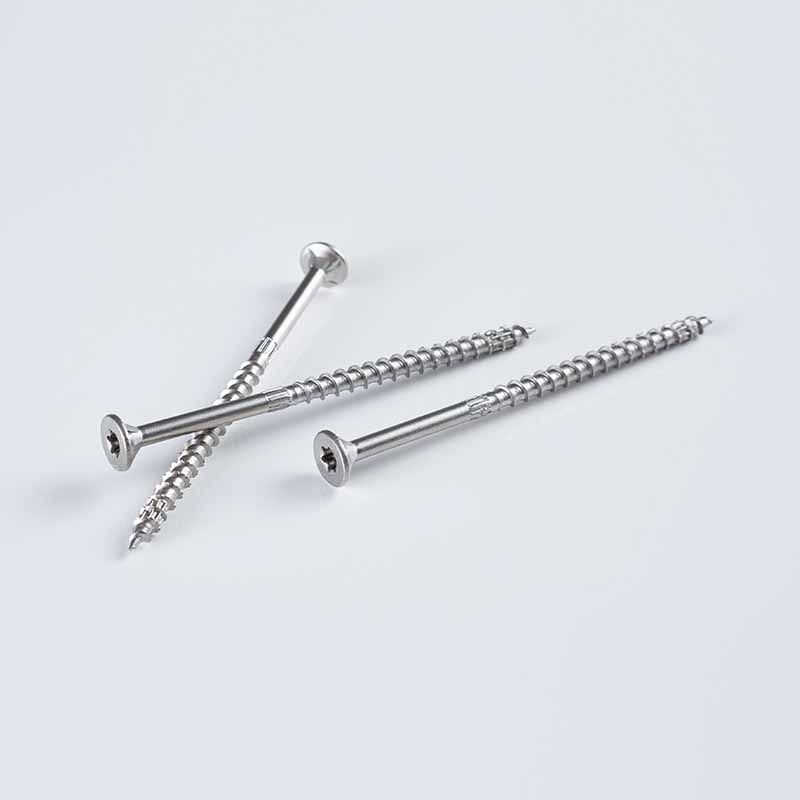
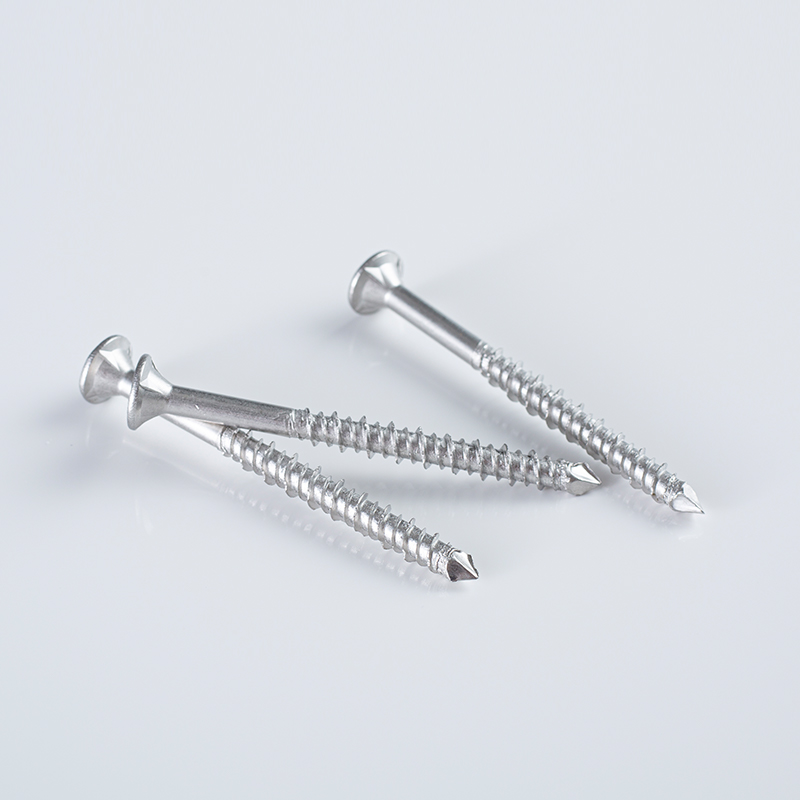 304 Stainless Steel Torx Bugle Head Type 17 Point ScrewsMade from A2 stainless steel with a Torx drive and Type 17 point, these bugle-head screws provide strong corrosion resistance for outdoor treated wood, decking, and marine settings. They seat flush and suit harsh environments requiring long-term durability.View Product →
Use this quick decision list the next time you fill a screw spec:
In a production order, the smallest difference in head geometry shows up as a defect. Ask your fastener supplier for a sample batch and check four things: the head profile matches the drawing, the recess is clean and deep enough for the bit, the thread shape and point type match the base material, and the coating has a documented salt spray result. For batches of wood screws, also test the screw in the actual material you plan to use.
At Anhui Linghong Hardware Technology, we make both bugle-head and countersunk wood screws in carbon steel and stainless steel, with finishes from blue-white zinc to zinc-nickel and phosphate. Our factory in Anhui covers cold heading, heat treatment, surface treatment, and packing under one roof.
If your project uses drywall, furniture, construction, or packaging applications, a clear head specification prevents rework. A good supplier will confirm not only diameter and length, but also the underhead angle, the recess type, the coating thickness, and the test report.
No. A bugle head has a curved underhead profile and is designed to seat itself without a pre-drilled countersink. A countersunk head has a straight tapered cone and should sit in a matching countersunk hole to be flush.
In softwood and drywall, usually not, because the curved head and thread point help pull the screw in. In hardwood or brittle trim, a pilot hole is still safer to prevent splitting.
It depends on the base material. A correctly seated countersunk screw creates full contact between the head and the taper, which gives a strong, stable clamp. A bugle head spreads the load over a wider area, but over-driving can crack the surface.
Yes, if the material and coating are selected for the environment. Use stainless steel or a high-corrosion-resistant coating and confirm the head seats correctly in your chosen wood.


+86 15856352820

malingfei@linghongscrew.com

No. 56, Baishizhan Road, Economic Development Zone, Langxi County, Xuancheng City, Anhui Province, China

